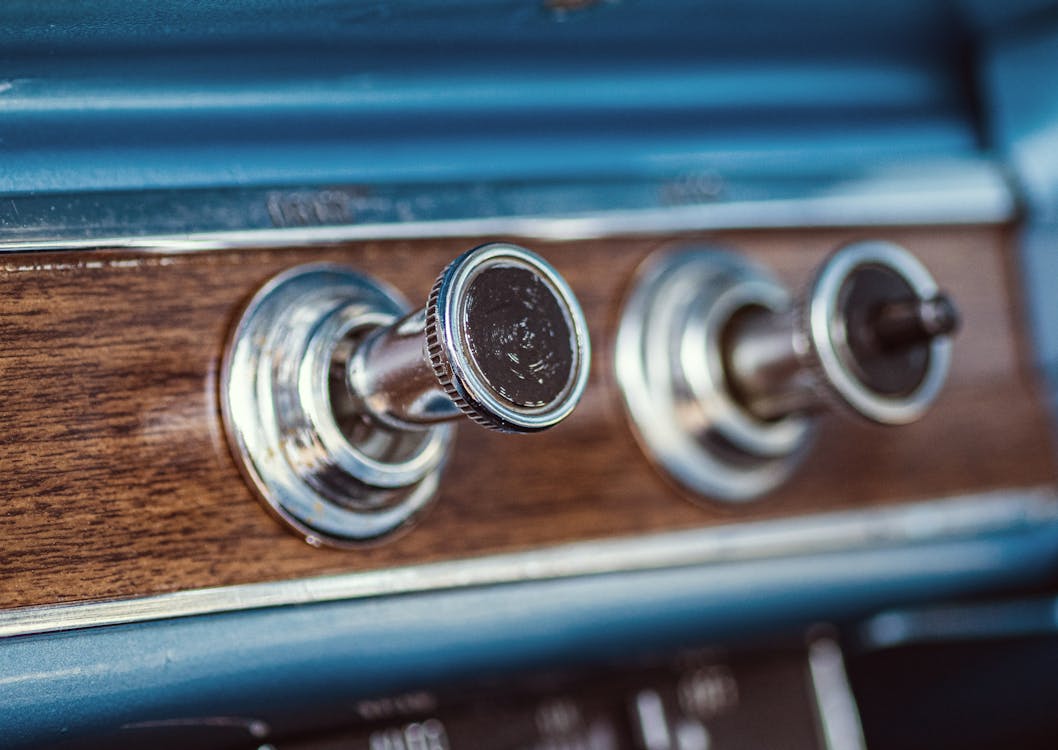
For the past years, automobile interiors have actually been swiftly progressing toward streamlined, screen-dominated control panels. Touchscreens changed conventional handles, sliders, and buttons in what several presumed was the inevitable march of progression. Yet, in an unexpected spin, physical buttons are quietly making their back into contemporary vehicles. The shift signals greater than simply a sentimental nod-- it's a response to real-world comments from drivers food craving simplicity, security, and responsive complete satisfaction.
The Digital Overload Dilemma
When touchscreens initially started taking control of dashboards, they felt like the future: tidy, personalized, and loaded with functions. They got rid of clutter and permitted car manufacturers to streamline their interiors with fewer physical elements. However as even more attributes were hidden within electronic food selections, drivers began to articulate problems.
Touchscreens frequently need several steps to do fundamental jobs like changing the environment or changing the radio terminal. Unlike buttons, they lack the intuitive muscle memory that allows a chauffeur to alter a setting without taking their eyes off the roadway. With a lot taking place on-screen, it comes to be all as well simple to get sidetracked-- something no person desires when traveling at highway rates.
The Return of Tactile Functionality
Among the greatest advantages of buttons is their responsive comments. You can feel them without needing to look. This sensory support makes them not simply practical but more secure for vehicle drivers. When your hand naturally knows where the quantity knob is or how much to push a switch to trigger the defrost, it decreases the demand to glimpse down or away from the roadway. And while touchscreens provide comfort for infomercial and navigation, the critical daily functions-- like threat lights, audio controls, and HVAC-- feel far better fit to physical controls.
Actually, lots of drivers that formerly spoke highly of electronic systems have shared appreciation for more recent versions that blend modern-day aesthetic appeals with the sensible feel of typical controls. It's not about turning down innovation-- it's regarding boosting usability.
A Balanced Design Philosophy
Developers have paid attention to this changing sentiment. Instead of deserting displays, they're reassessing how they're integrated. The very best insides currently strike an equilibrium in between digital adaptability and analog accuracy. That suggests strategically placing buttons for necessary features while making use of electronic user interfaces for applications, navigating, and media.
This hybrid strategy is specifically preferred in vehicles designed for long-distance driving or families. The ease of pressing a switch without screwing up via a food selection makes a huge distinction when you're trying to stay concentrated, comfy, great site and risk-free. Even in vehicles known for cutting-edge technology, a straightforward rotary dial or tactile control can be the attribute that gains motorists trying to find thoughtful design.
Buttons and the Emotional Connection
There's also something distinctly emotional about switches. They bring a specific level of involvement that touchscreens just do not duplicate. Pressing a switch or turning a dial seems like you're physically interacting with your car-- it includes a layer of connection that makes the driving experience extra satisfying.
For those considering used Chevy cars, lorries from recent years commonly offer the very best of both globes: receptive touch interfaces paired with timeless physical controls. These models bridge the gap between advancement and knowledge, making them optimal for vehicle drivers who appreciate modern-day features without compromising simplicity of use.
Modern Technology Isn't Just About Screens
It's easy to conflate innovation with displays, yet real technology means improving the chauffeur experience. In this light, buttons are a type of wise style. They're quick, precise, and don't demand attention. As automobile style ends up being progressively driver-centric, benefit and intuitiveness take center stage.
This also ties straight right into the resale and trade-in worth of automobiles. Autos that focus on straightforward functions have a tendency to age better in the eyes of future customers. If you're thinking about a Chevrolet trade in, knowing that your present vehicle uses a thoughtfully made interior, complete with quickly accessible controls, can have a favorable impact.
The Future Is Functional
As car makers re-evaluate the role of user interfaces in the cabin, they're guided by motorist feedback and real-world functionality researches. The revival of switches does not signal a go back to the past-- it's a progression in thoughtful, user-first design. It recognizes that progression doesn't always indicate eliminating the old however integrating it in such a way that makes driving more secure, easier, and more delightful.
If you're in the marketplace and discovering Chevy new car deals, keep an eye on how different models manage their interior controls. It's not just about the touchscreen dimension-- it's concerning just how the lorry aids you remain focused on the roadway while making your day-to-day commute a lot more user-friendly. Buttons may not be the flashiest function, but they're quickly turning into one of one of the most valued.
For more insights right into vehicle patterns, interior design innovations, and clever auto buying suggestions, be sure to examine back consistently. We're constantly updating the blog site with fresh ideas to help you browse the road in advance.